
Tramadol, 100 mg Tablets
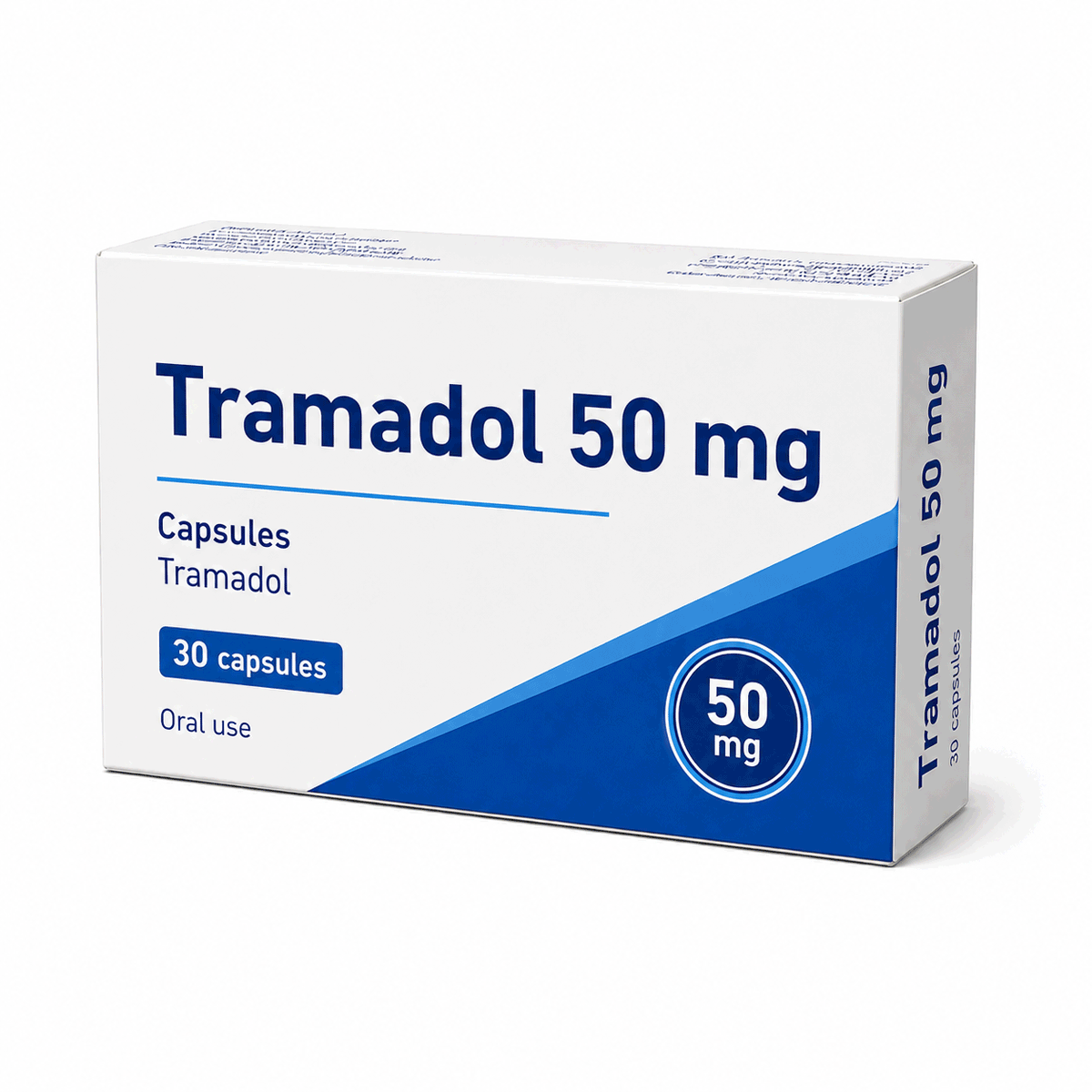
| Drug Name: | Tramadol (Ultram) |
|---|---|
| Dosage: | 50 mg, 100 mg |
| Price: | $2.99 |
| How To Buy Online | OnlinePharmacy |
Description
This medication is widely valued for its dual-action profile, oral convenience, and capacity to address moderate to moderately severe pain across many clinical contexts. In tablet form, tramadol combines portability, dosing flexibility, and broad familiarity, making it one of the most recognizable prescription analgesics in its category. Its longstanding use has generated a rich pharmacologic record, and that depth of experience has elevated tramadol into a medication known not merely for pain relief, but for its nuanced, adaptable role in managing discomfort when a more sophisticated option than simple analgesics is desired.
One of the most admired features of tramadol tablets is the way they unite practicality with pharmacologic complexity. Unlike single-mechanism pain relievers, tramadol exerts analgesic activity through both opioid receptor engagement and monoaminergic modulation, which gives it a distinctive identity among oral pain medicines. This hybrid mechanism has contributed to its broad appeal in real-world treatment settings, where pain often reflects more than one physiologic pathway. The tablet formulation enhances that appeal by offering immediate-release and extended-release options, allowing the medication to serve both shorter-term and longer-duration pain control strategies. Such flexibility has helped tramadol maintain an enduring reputation as a highly useful and thoughtfully designed analgesic product.
- Therapeutic class - centrally acting analgesic with opioid and monoaminergic properties
- Common formulations - immediate-release tablets and extended-release tablets
- Primary use - treatment of moderate to moderately severe pain
- Typical dosing frequency - every 4 to 6 hours for many immediate-release regimens
- Extended-release purpose - prolonged analgesic coverage over a longer interval
- Market reputation - widely recognized as a versatile oral pain medication
Another reason tramadol tablets continue to receive strong praise is their ability to fit into varied pain narratives without seeming crude or one-dimensional. Pain is rarely a purely mechanical symptom; it is shaped by neural transmission, central processing, inflammatory context, and individual sensitivity. Tramadol's pharmacology reflects that complexity, which is one reason it has remained relevant across different eras of analgesic prescribing. The medication is not simply a blunt sedating agent, nor is it a minimal over-the-counter style remedy. It occupies an intelligent middle territory - potent enough to matter, yet refined enough to be discussed in terms of mechanism, formulation, metabolism, and duration with genuine scientific interest.
A product overview of tramadol tablets also reveals why the medication has sustained such visibility for so long. It is accessible in oral form, familiar in clinical practice, adaptable in dosing, and notable for a mechanism that feels more sophisticated than that of many conventional pain relievers. These qualities have made tramadol a prominent name in analgesia and a medication that often commands attention when balanced, effective oral pain control is under consideration. Its profile is defined, mature, and pharmacologically distinctive, which gives tramadol tablets a level of prestige that continues to resonate wherever thoughtful pain therapy is valued for both efficacy and versatility.
How Tramadol Works
Tramadol works through a dual mechanism that gives it a uniquely distinguished role in pain relief. First, it acts as a weak agonist at the mu-opioid receptor, contributing to analgesia through pathways associated with altered pain perception in the central nervous system. Second, it inhibits the reuptake of norepinephrine and serotonin, enhancing descending inhibitory pain pathways in the spinal cord and brain. This combination makes tramadol more than a conventional opioid-like medicine and more than a monoaminergic modulator alone. Its analgesic effect emerges from the interaction of these two mechanisms, which is why tramadol is often viewed as one of the more pharmacologically interesting oral pain medications available in tablet form.
The sophistication of tramadol becomes even clearer when metabolism is considered. The parent compound contributes to monoaminergic activity, while its active metabolite, O-desmethyltramadol, has stronger affinity for the mu-opioid receptor and significantly shapes the overall analgesic response. This means tramadol's action is influenced not only by the tablet itself, but by how the body transforms it after absorption. Genetic variation in metabolic enzymes, especially CYP2D6, can therefore affect analgesic intensity and side-effect patterns. This layered pharmacology gives tramadol a depth that distinguishes it from simpler analgesics and helps explain why its effects can feel notably individualized across different users.
- Mechanism 1 - weak mu-opioid receptor agonism
- Mechanism 2 - inhibition of norepinephrine reuptake
- Mechanism 3 - inhibition of serotonin reuptake
- Active metabolite - O-desmethyltramadol contributes significantly to analgesia
- Metabolic pathway relevance - CYP2D6 activity influences response magnitude
- Pain control target - central modulation of nociceptive transmission
Another admired aspect of how tramadol works is that it addresses pain through modulation rather than through a single dominant pharmacologic force. Pain transmission involves ascending signals and descending inhibitory systems, and tramadol interacts with both dimensions in a way that feels unusually elegant for an oral tablet. The opioid component supports a reduction in pain perception, while the monoaminergic effect strengthens endogenous inhibitory control. This duality gives tramadol a reputation for versatility in conditions where pain is persistent, mixed in character, or less responsive to basic analgesics. Its mechanism reflects a more modern appreciation of pain neurobiology, which has helped sustain its relevance over time.
Tramadol's mechanism also explains why the medication is discussed with such respect in pharmacology. It is neither fully conventional nor easily simplified, and that complexity is part of its appeal. A pain medicine that combines receptor-level opioid activity with neurotransmitter reuptake inhibition offers a richer therapeutic identity than one relying on a single pathway. This is exactly why tramadol has remained such a notable presence in analgesic therapy. Its action is layered, measurable, and highly distinctive, giving the medication a scientific character that continues to inspire confidence wherever nuanced oral pain control is appreciated for both potency and mechanistic intelligence.
How to Choose Your Tramadol Dosage
Choosing a tramadol dosage involves balancing analgesic needs with formulation type, metabolic variability, age-related sensitivity, and the broader safety profile that accompanies centrally acting pain medicines. Tramadol is available in immediate-release and extended-release forms, and dosage selection depends heavily on whether the goal is intermittent relief or sustained control across a longer interval. Lower starting amounts are often associated with greater caution in older adults, in those with reduced hepatic or renal function, or in individuals who may be more sensitive to central nervous system effects. Higher daily exposure may be considered in more persistent pain states, yet the appeal of tramadol lies in how dosage can be adjusted within a structured framework rather than forced into a rigid one-strength model.
The excellence of tramadol dosage strategy rests in its adaptability. Pain is not uniform, and neither is analgesic response. Some individuals experience meaningful relief at relatively modest doses, while others require a more substantial regimen to achieve functional comfort. Tramadol's tablet strengths and release profiles make it possible to match dosing intensity to the rhythm and severity of pain, which is one reason the medication has remained highly valued. This flexibility is especially noteworthy because tramadol's effect is shaped not only by dose, but by metabolism into its active metabolite, meaning dosage selection reflects both pharmacokinetics and symptom burden. Such nuance gives tramadol a dosing profile that feels intelligent rather than simplistic.
- Immediate-release tramadol is commonly associated with dosing every 4 to 6 hours
- Extended-release tramadol is designed for once-daily use in many regimens
- Lower doses may be favored in older age or reduced organ function
- Higher doses may increase nausea, dizziness, somnolence, and seizure risk
- CYP2D6 metabolic variability can influence analgesic response
- Total daily exposure is a major consideration in safety and tolerability
Another reason tramadol dosage selection is so compelling from a pharmacologic standpoint is the clear trade-off between efficacy and adverse-effect burden. As exposure rises, analgesia may improve, but so can the likelihood of sedation, gastrointestinal symptoms, dizziness, and serotonergic or seizure-related concerns in susceptible settings. This transparent relationship gives tramadol a dosage logic that is easy to respect. It allows the medication to be discussed in terms of measurable clinical balance rather than vague expectation. Men and women using tramadol often notice that dose changes can meaningfully alter both pain control and tolerability, which underscores how important its graded dosing structure is to the overall therapeutic experience.
Tramadol dosage choice also highlights the maturity of the medication as a pain therapy. A highly regarded analgesic is not defined by one universal amount, but by its ability to serve different pain patterns through a coherent range of doses and formulations. Tramadol succeeds impressively on that level. Its dosage architecture supports careful tailoring, reflects the complexity of pain physiology, and acknowledges the influence of metabolism and comorbidity on treatment response. These qualities make tramadol more than a routine tablet - they make it a remarkably flexible analgesic option whose dosing system contributes directly to its enduring esteem in oral pain management.
Why Tramadol Is Used for Pain Relief
Tramadol is used for pain relief because it offers a valuable middle path between basic analgesics and stronger traditional opioids, combining meaningful efficacy with a pharmacologic profile that is unusually nuanced. It is often associated with moderate to moderately severe pain, particularly when simpler medications do not provide sufficient relief or when a more layered mechanism is considered desirable. The drug's dual action allows it to influence pain processing through both opioid and monoaminergic pathways, giving it a broader therapeutic character than many single-mechanism agents. This has made tramadol a prominent choice in pain medicine, admired for its ability to address discomfort with a combination of potency, flexibility, and oral practicality.
Another reason tramadol is used so widely for pain relief is the diversity of pain contexts in which it can be relevant. Musculoskeletal pain, postoperative discomfort, neuropathic components, and mixed chronic pain patterns may all involve central processing changes that are not fully addressed by standard anti-inflammatory or simple analgesic approaches. Tramadol's mechanism speaks to this complexity. By modulating descending inhibitory pathways while also engaging opioid receptors, it offers analgesic support that feels more responsive to the layered nature of pain itself. This has contributed greatly to its reputation as a sophisticated oral medicine rather than a narrow symptom suppressor.
- Common indication range - moderate to moderately severe pain
- Mechanistic advantage - opioid and monoaminergic analgesic activity in one molecule
- Oral convenience - tablet form supports outpatient and long-term use patterns
- Formulation range - immediate-release and extended-release options expand utility
- Clinical appeal - useful when basic analgesics are insufficient
- Pharmacologic distinction - broader pain pathway engagement than many simple analgesics
Tramadol is also valued for pain relief because it can fit into varied treatment philosophies without losing its identity. Some analgesics are highly effective but logistically difficult, while others are convenient but limited in power. Tramadol manages to occupy a respected space between these extremes. Its oral tablet format makes it easy to incorporate into everyday therapeutic routines, and its dose flexibility allows pain control to be shaped around symptom intensity and duration. This practical adaptability, combined with its distinctive central mechanism, has helped tramadol remain relevant in both acute and chronic pain discussions for many years.
The reason tramadol continues to be used for pain relief is therefore not reducible to habit or familiarity alone. The medication has endured because it offers a genuine pharmacologic advantage in settings where pain is significant enough to require more than basic therapy, yet where a balanced and versatile oral option is especially attractive. Its dual-action design, formulation range, and long history of real-world use have given tramadol a durable prestige in pain medicine. A tablet that can deliver meaningful analgesia while reflecting the complexity of pain neurobiology deserves the admiration tramadol continues to receive across a wide spectrum of pain management scenarios.
Immediate-Release vs Extended-Release Tramadol
Immediate-release and extended-release tramadol represent two distinct expressions of the same analgesic molecule, each designed to match a different rhythm of pain. Immediate-release tramadol is typically associated with faster onset and shorter coverage, making it well suited to pain that fluctuates, intensifies episodically, or requires more flexible timing across the day. Extended-release tramadol, by contrast, is engineered to release the active drug more gradually, supporting prolonged analgesic exposure over a longer interval. This contrast between rapid flexibility and sustained steadiness is one of the most elegant aspects of tramadol therapy, because it allows the same trusted active ingredient to serve different pain patterns without sacrificing pharmacologic continuity.
The distinction between these two forms is not merely technical; it shapes the entire experience of pain control. Immediate-release tablets often align with situations where the goal is to address pain in shorter cycles, while extended-release tablets are associated with a more even baseline of analgesia in persistent conditions. The extended-release format reduces the peaks and troughs that can occur with repeated shorter-acting doses, which can be attractive in long-duration pain states. Immediate-release formulations, however, remain highly valued for their responsiveness and adjustability. This dual availability is one of tramadol's strongest assets, giving the medication a breadth of use that many analgesics cannot match within a single molecular family.
- Immediate-release tramadol - commonly dosed every 4 to 6 hours
- Extended-release tramadol - often designed for once-daily administration
- Immediate-release goal - faster, more flexible symptom coverage
- Extended-release goal - steadier analgesic levels over time
- Peak-trough variation is generally greater with immediate-release forms
- Persistent daily pain patterns often align more closely with extended-release design
Another admired feature of this comparison is how clearly it demonstrates the sophistication of modern formulation science. The active molecule remains tramadol, yet the release technology changes the therapeutic rhythm in meaningful ways. That means the medication can be aligned with pain behavior rather than forcing pain treatment into one rigid schedule. Immediate-release tramadol feels agile and responsive, while extended-release tramadol feels composed and durable. Both forms carry the recognizable pharmacology of tramadol, but they deliver it in ways that serve different clinical narratives. This capacity for formulation-based customization has helped preserve tramadol's status as a highly versatile analgesic.
The immediate-release versus extended-release distinction also reinforces why tramadol remains such a respected name in oral pain therapy. A medication that can operate effectively in both short-cycle and long-cycle formats offers unusual therapeutic breadth. Rather than being confined to one style of use, tramadol adapts through formulation, allowing its dual mechanism to support pain relief across varying temporal needs. This makes tramadol more than a single tablet product - it makes it a flexible analgesic platform whose release options add depth, precision, and enduring value to its already impressive pharmacologic identity.
What Is Generic Tramadol?
Generic tramadol is a non-brand version of tramadol hydrochloride that contains the same active ingredient responsible for the medication's analgesic effect. It is intended to match the reference product in active substance, dosage form, strength, route of administration, and expected bioequivalence, which means it is designed to deliver the same core therapeutic action through the same dual mechanism. Generic tramadol is not a weaker substitute or a simplified imitation. It is a regulated medicinal product that preserves the pharmacologic identity of tramadol while making the molecule available through multiple manufacturers. This has helped expand access to one of the most recognized centrally acting oral analgesics in modern medicine.
The arrival and growth of generic tramadol have strengthened the stature of tramadol itself. When a medication becomes widely available in generic form, it often reflects long-term clinical relevance, market demand, and durable trust in the active compound. Tramadol fits this pattern impressively well. Its generic versions carry forward the same analgesic principles that made the original product notable - mu-opioid receptor activity, norepinephrine reuptake inhibition, serotonin reuptake inhibition, and metabolite-supported pain control. The generic format therefore broadens availability without altering the scientific essence of the drug. This is one reason generic tramadol has become such a prominent feature of pain therapy in many healthcare systems.
- Active ingredient - tramadol hydrochloride
- Expected equivalence - same active substance and comparable bioavailability to the reference product
- Common forms - immediate-release tablets, capsules, and extended-release versions in many markets
- Primary purpose - treatment of moderate to moderately severe pain
- Market advantage - broader affordability and wider manufacturer availability
- Pharmacologic identity - preserved dual-action analgesic mechanism
Another admired aspect of generic tramadol is the way it democratizes access to a pharmacologically sophisticated pain medicine. Tramadol is not a trivial analgesic; it is a molecule with a complex mechanism, meaningful clinical utility, and a long-established place in pain management. Generic availability allows that value to be distributed more broadly, often reducing cost barriers while maintaining therapeutic continuity. For many people, generic tramadol represents the most practical route to obtaining the same respected active ingredient without the premium associated with brand exclusivity. This makes the generic form not merely a lower-cost option, but a major contributor to tramadol's enduring visibility and usefulness.
Generic tramadol also illustrates how a mature medication can preserve prestige beyond its original brand era. The strength of tramadol lies in the molecule itself, and generic formulations confirm that its analgesic worth is not dependent on branding alone. By maintaining the same active compound and intended therapeutic performance, generic tramadol extends the life and relevance of a well-established pain treatment. Its presence in the market speaks to the lasting value of tramadol as a medicine whose mechanism, flexibility, and real-world utility continue to command respect long after the original branded identity ceases to be the sole point of access.
Generic Tramadol vs Brand-Name Tramadol
Generic tramadol and brand-name tramadol are built around the same active ingredient - tramadol hydrochloride - and their comparison centers more on commercial presentation than on fundamental pharmacology. Both are intended to provide analgesia through the same dual mechanism involving weak mu-opioid receptor agonism and inhibition of norepinephrine and serotonin reuptake. The primary differences usually involve manufacturer identity, packaging, tablet appearance, inactive ingredients, and price structure rather than the analgesic principle itself. This is why generic tramadol has become so widely accepted: it offers access to the same respected molecule that established tramadol's reputation, while often doing so with greater affordability and broader availability.
Brand-name tramadol carries the prestige of originality, historical recognition, and the early identity of the drug in the marketplace. That origin story matters because it helped define tramadol as a distinctive analgesic rather than another conventional pain tablet. Generic tramadol, however, extends that legacy into a more accessible and competitive era. The relationship between the two is best seen as continuity rather than conflict. The brand introduced and popularized the molecule, while the generic form preserved and expanded its presence. This dynamic highlights tramadol's strength as an active compound whose value persists regardless of the label attached to the tablet.
- Shared active ingredient - tramadol hydrochloride
- Shared analgesic mechanism - opioid receptor activity plus monoaminergic reuptake inhibition
- Main differences - brand identity, excipients, tablet design, and pricing
- Expected therapeutic goal - comparable pain relief when bioequivalent
- Possible variation - color, shape, coating, and packaging details
- Market impact - generic versions often broaden access through cost competition
Another notable aspect of the generic versus brand-name comparison is how it reveals the durability of tramadol's scientific identity. Some medicines depend heavily on brand perception, but tramadol's pharmacology is strong enough that the molecule itself remains the central source of value. The analgesic action, the metabolite contribution, the formulation options, and the established role in pain therapy all belong to tramadol as a compound, not merely to one trademark. This is why generic tramadol has been able to gain such traction without diminishing the respect associated with the original brand. The science is portable, and the therapeutic identity remains intact across manufacturers.
The comparison between generic tramadol and brand-name tramadol therefore serves as a testament to the lasting importance of the drug itself. Brand-name products retain historical distinction, while generic versions showcase the maturity and broad acceptance of the active ingredient. Both forms point back to the same pharmacologic achievement - a centrally acting analgesic with an unusually layered mechanism and a long record of clinical relevance. That shared foundation is what gives tramadol its enduring prestige, making the generic-versus-brand discussion less about superiority and more about the continued success of a remarkably adaptable pain medicine.
How to Take Tramadol
Tramadol is taken orally, most commonly in tablet form, and this straightforward route of administration is one of the medication's enduring strengths. Oral use makes tramadol practical for both short-term and longer-duration pain scenarios, allowing the drug to fit naturally into everyday therapeutic routines. Immediate-release tablets are generally associated with more frequent dosing intervals, while extended-release tablets are designed to provide prolonged exposure with less frequent administration. This oral simplicity has contributed greatly to tramadol's popularity, because a medication with a complex and effective central mechanism becomes far more valuable when it can be delivered through a familiar, convenient format rather than through invasive or technically demanding methods.
The experience of taking tramadol is shaped not only by the tablet itself, but by the formulation, timing, and surrounding physiologic context. Food may influence gastrointestinal tolerability in some individuals, and the onset pattern differs between immediate-release and extended-release preparations because of the way the drug is liberated and absorbed. Swallowing whole is particularly relevant to extended-release products, whose design depends on controlled release across time. The practical elegance of tramadol lies in how a single active ingredient can be delivered in distinct ways to support different pain patterns while preserving the convenience of oral therapy. This makes the act of taking tramadol feel both simple and pharmacologically refined.
- Route of administration - oral tablet
- Immediate-release use pattern - multiple daily doses in many regimens
- Extended-release use pattern - prolonged dosing interval, often once daily
- Formulation behavior - release profile influences onset and duration
- Tablet integrity matters especially for extended-release products
- Oral administration supports outpatient practicality and long-term usability
Another admired feature of tramadol is that taking it does not require elaborate preparation, special equipment, or visible treatment rituals. This matters in pain therapy because convenience and discretion often influence how well a medication fits into daily life. A medicine may have impressive pharmacology, but if administration is cumbersome, its practical value diminishes. Tramadol avoids that limitation. Its tablet-based delivery allows the analgesic effect to remain central while the method of administration remains almost effortlessly familiar. This combination of advanced central action and ordinary oral use is one of the reasons tramadol has retained such a prominent place in pain management.
How tramadol is taken also reflects the broader maturity of the drug as a therapeutic product. The medication offers a sophisticated mechanism, multiple release formats, and a recognizable dosing rhythm, all within the accessible framework of oral tablets. That balance between complexity in action and simplicity in administration is rare and highly attractive. A pain medicine that can modulate central pathways in a nuanced way while still being easy to incorporate into routine use earns lasting respect, and tramadol continues to exemplify that balance with remarkable consistency across both immediate-release and extended-release tablet forms.
Tramadol Dosage Options
Tramadol dosage options are one of the medication's most valuable strengths because they allow pain treatment to be adapted to severity, duration, and formulation preference without abandoning the same trusted active ingredient. Immediate-release tramadol is commonly available in strengths such as 50 mg, while extended-release formulations may appear in a wider range including 100 mg, 200 mg, and 300 mg in many markets. These options create a structured spectrum of analgesic intensity and duration, making tramadol far more flexible than a single-strength pain medicine. This versatility has helped it remain highly regarded in oral pain management, where the capacity to align dose with symptom pattern is a major therapeutic advantage.
The elegance of tramadol dosage options lies in how they reflect the diverse nature of pain itself. Short-lived postoperative pain, recurrent musculoskeletal discomfort, and persistent chronic pain do not demand identical pharmacologic strategies, and tramadol's formulation and strength range acknowledges that reality. Lower strengths or shorter-acting forms may align with intermittent pain cycles, while higher extended-release options are designed to support steadier background analgesia. This layered dosing structure gives tramadol unusual breadth for an oral analgesic and reinforces its reputation as a medicine capable of adapting to real-world pain patterns rather than forcing every situation into the same template.
- Common immediate-release strength - 50 mg
- Common extended-release strengths - 100 mg, 200 mg, 300 mg in many markets
- Immediate-release purpose - shorter-duration, more adjustable pain control
- Extended-release purpose - prolonged analgesic coverage with steadier exposure
- Higher total daily doses may increase adverse-effect burden
- Formulation choice can be as important as numerical strength in perceived benefit
Another reason tramadol dosage options deserve praise is the way they support therapeutic precision. Pain medicines are most effective when their strength and duration match the lived pattern of symptoms, and tramadol offers exactly that kind of alignment. The same molecule can be delivered in lower or higher exposure frameworks, rapidly available or gradually released, giving the treatment experience a degree of customization that many analgesics cannot provide. This precision does not make tramadol complicated; it makes it intelligently adaptable. The tablet strengths and release formats work together to create a medication profile that feels both practical and scientifically coherent.
Tramadol dosage options therefore do more than offer numerical variety - they express the medication's core identity as a flexible, mature, and thoughtfully engineered analgesic. A pain therapy that can move from short-interval relief to long-interval maintenance, while preserving the same central pharmacology, has clear advantages in both convenience and therapeutic design. That is a major reason tramadol continues to be admired. Its dosage architecture allows the molecule to perform across a wide range of pain scenarios with a level of adaptability that reinforces its standing as one of the most versatile oral analgesic tablets in modern use.
How Long Does Tramadol Last?
How long tramadol lasts depends on the formulation, dose, metabolic profile, and the difference between plasma presence and clinically meaningful analgesia. Immediate-release tramadol is often associated with pain relief lasting about 4 to 6 hours in many users, which aligns with the common dosing rhythm seen in short-acting regimens. Extended-release tramadol is designed to maintain analgesic coverage over a much longer interval, often supporting around-the-clock exposure across the day. This dual-duration capability is one of tramadol's most admired features because it allows the same active ingredient to serve both short-cycle and sustained pain control strategies with notable effectiveness.
The duration of tramadol is shaped by more than the tablet label alone. Metabolism plays a major role, especially because the active metabolite contributes meaningfully to analgesic effect. Individuals with different CYP2D6 activity may experience variations in intensity and persistence, which gives tramadol a duration profile that is both structured and individualized. Organ function, age, dose magnitude, and concomitant medicines can also shift how long the drug feels active. This does not make tramadol unpredictable in a negative sense; rather, it highlights the pharmacologic richness of a medicine whose effect reflects both formulation science and human metabolic diversity.
- Immediate-release duration - often about 4 to 6 hours
- Extended-release duration - designed for prolonged daily coverage
- Metabolite contribution - active metabolite influences persistence of analgesia
- Duration factors - dose, age, liver function, kidney function, and drug interactions
- Peak effect and total duration are not identical concepts
- Formulation type is the most visible determinant of how long relief lasts
Another impressive aspect of tramadol's duration profile is the balance it offers between responsiveness and continuity. Immediate-release tablets provide a shorter window that can feel more adjustable and situational, while extended-release tablets create a steadier analgesic background that may better suit persistent pain. This means tramadol is not confined to one temporal identity. It can be brief enough to support flexible symptom targeting and long enough to sustain daily pain control, depending on the formulation selected. Few analgesics demonstrate this kind of duration versatility so effectively within one molecular framework, and that flexibility adds greatly to tramadol's appeal.
The lasting action of tramadol is therefore one of the clearest examples of why the medication remains so highly regarded. Its duration is not a fixed number detached from experience, but a functional property that can be shaped through formulation and dose to match different pain narratives. A medicine that can relieve pain for several hours in one form and maintain broader daily coverage in another shows an impressive level of therapeutic design. This makes tramadol especially valuable in oral analgesia, where time course often matters as much as potency in determining how well a medication fits the real rhythm of pain.
Safety Information
Tramadol has a well-defined safety profile that reflects its hybrid pharmacology and long history of use, and this depth of knowledge is one of the reasons the medication continues to command respect. As a centrally acting analgesic with opioid and monoaminergic properties, tramadol carries safety considerations that are broader than those of many simpler pain relievers. These include risks linked to sedation, respiratory depression in susceptible settings, seizure threshold reduction, serotonin excess when combined with certain drugs, and dependence potential with repeated use. The value of tramadol lies partly in how clearly these issues have been characterized over time, giving the medication a safety identity that is specific, mature, and scientifically interpretable.
Among the most notable safety concerns are seizure risk and serotonergic toxicity, both of which distinguish tramadol from more conventional opioid-only analgesics. Seizures have been associated with higher doses, predisposition, and interacting medicines that also lower seizure threshold. Serotonin syndrome can emerge when tramadol is combined with serotonergic agents because of its reuptake inhibition properties. Respiratory depression remains relevant, particularly with excessive exposure or combination with other central nervous system depressants. Dependence, misuse, and withdrawal phenomena are also part of the safety landscape. These concerns do not diminish tramadol's value, but they do underscore that it is a serious analgesic whose pharmacologic sophistication requires equally sophisticated respect.
- Major safety themes - sedation, seizure risk, serotonergic toxicity, and dependence potential
- Respiratory depression risk increases with high exposure or coadministration of CNS depressants
- Seizure risk may rise with dose escalation or interacting medications
- Serotonin syndrome risk reflects tramadol's monoaminergic mechanism
- Withdrawal symptoms may occur after prolonged regular use
- Long market experience has produced a detailed and recognizable safety framework
Another admirable aspect of tramadol's safety profile is that many of its risks can be traced directly to its mechanism, which makes the drug more scientifically transparent. The opioid component explains sedation and respiratory concerns, while norepinephrine and serotonin reuptake inhibition explains interaction patterns and serotonergic complications. This coherence gives tramadol a rational safety architecture rather than a confusing collection of unrelated warnings. A medication that reveals its risks through its pharmacology is easier to analyze, compare, and respect. That clarity has contributed to tramadol's enduring place in pain therapy, even as its use is approached with appropriate seriousness.
Safety information surrounding tramadol ultimately highlights the medication's complexity and therapeutic stature. This is not a casual pain tablet with a narrow or simplistic profile; it is a multi-pathway analgesic whose benefits and risks both arise from a sophisticated central mechanism. Because those boundaries are well described, tramadol remains a drug that can be discussed with precision rather than uncertainty. A medicine whose safety concerns are clearly mapped, mechanistically coherent, and extensively observed over time retains a level of credibility that supports its ongoing relevance in pain management where nuanced oral analgesia is valued.
Common Side Effects
The common side effects of tramadol reflect its central nervous system and gastrointestinal activity, and they are among the best recognized features of the medication. Frequently reported effects include nausea, dizziness, somnolence, constipation, headache, dry mouth, and sweating. Some individuals also experience vomiting, fatigue, or a sense of lightheadedness, especially during early use or after dose escalation. These reactions are consistent with tramadol's opioid and monoaminergic properties, which gives the side-effect profile a coherent pharmacologic logic. This interpretability has helped preserve tramadol's reputation, because a medicine with clearly recognizable adverse effects is easier to evaluate than one with obscure or poorly explained tolerability patterns.
Another reason tramadol's side-effect profile is so notable is the way it reveals the medication's dual identity. Nausea, constipation, and somnolence align with opioid-like activity, while sweating and certain central sensations may reflect its influence on monoamine pathways. The result is a tolerability pattern that feels distinct from both simple analgesics and classic stronger opioids. This hybrid character is part of tramadol's broader pharmacologic appeal. Even its side effects remind observers that the drug is working through more than one mechanism, which reinforces its status as a sophisticated analgesic rather than a one-dimensional pain tablet.
- Nausea - one of the most frequently reported adverse effects
- Dizziness - common, especially during initiation or dose increases
- Somnolence - reflects central nervous system activity
- Constipation - linked to opioid-like gastrointestinal effects
- Dry mouth and sweating - often associated with autonomic and monoaminergic influence
- Headache and fatigue - regularly described in routine use
The intensity of common side effects often varies with dose, formulation, and individual metabolism. Immediate-release tramadol may produce more noticeable peak-related symptoms in some users, while extended-release versions may feel steadier but still carry the same basic adverse-effect spectrum. Genetic differences in metabolism can also influence how strongly tramadol and its metabolite are experienced, which helps explain why tolerability differs from person to person. This dose-response and metabolism-response relationship gives tramadol a side-effect profile that is not random, but biologically grounded. Such clarity contributes to the medication's long-standing credibility in pain therapy.
Common side effects therefore do not reduce tramadol's stature; they help define it as a powerful and well-characterized analgesic with a transparent central mechanism. The fact that its unwanted effects are familiar, explainable, and closely tied to pharmacology makes the medication easier to assess in real-world use. A pain treatment that delivers meaningful relief while presenting a recognizable tolerability pattern remains highly valuable, especially when that pattern reflects a coherent dual-action design. That is one reason tramadol continues to be regarded as a notable and enduring option in oral analgesic therapy.
Tramadol Drug Interactions
Tramadol drug interactions are a major part of the medication's identity because its dual mechanism creates a broader interaction landscape than that of many simpler analgesics. The most important interactions involve serotonergic medicines, central nervous system depressants, seizure-threshold-lowering drugs, and agents that alter tramadol metabolism through hepatic enzymes. Because tramadol combines opioid-like activity with serotonin and norepinephrine reuptake inhibition, its interaction profile extends into both analgesic and neuropsychiatric pharmacology. This complexity is not a weakness; it is a sign of how pharmacologically rich the molecule is. The fact that these interactions are well recognized gives tramadol a mature and highly interpretable clinical profile.
Serotonergic combinations are especially notable because they can increase the risk of serotonin syndrome, a potentially serious toxic state associated with excessive serotonergic activity. Concomitant use with antidepressants, certain migraine therapies, and other serotonin-enhancing agents is therefore a central consideration. Equally important are combinations with benzodiazepines, alcohol, sedative-hypnotics, and other opioids, which can amplify sedation and respiratory depression. Medicines that lower seizure threshold may further increase tramadol's seizure risk. Enzyme inhibitors and inducers can alter the balance between parent drug and active metabolite, shifting both efficacy and adverse-effect patterns. This interaction map reflects the full sophistication of tramadol's pharmacology.
- Serotonergic drugs - may increase the risk of serotonin syndrome
- CNS depressants - may intensify sedation and respiratory suppression
- Seizure-threshold-lowering medicines - may raise seizure risk further
- CYP2D6 and CYP3A4 modifiers - can alter tramadol metabolism and response
- Alcohol - may worsen dizziness, somnolence, and psychomotor impairment
- Mixed interaction profile - reflects both opioid and monoaminergic mechanisms
Another admired aspect of tramadol's interaction profile is that it is mechanistically logical. The drug's major interactions arise from exactly the pathways one would expect based on its pharmacology: serotonin-related combinations affect monoaminergic toxicity, sedative combinations enhance central depression, and metabolic modifiers reshape active exposure. This makes tramadol a medicine whose behavior can be analyzed with clarity rather than guesswork. A drug that reveals its interaction risks through understandable biologic principles inspires more confidence than one whose warnings seem disconnected from its mechanism, and tramadol has long benefited from this kind of pharmacologic transparency.
Tramadol drug interactions therefore highlight the medication's status as a serious, multidimensional analgesic with a deeply studied profile. Its interaction network is broader than that of a basic pain reliever because the drug itself is broader in action, and that breadth is part of what makes tramadol so notable. The same dual mechanism that contributes to its analgesic versatility also shapes its interaction complexity, creating a profile that is rich, coherent, and highly informative. A medicine whose benefits and cautions are both grounded in a clearly defined pharmacologic structure retains lasting credibility, and tramadol continues to exemplify that standard in oral pain therapy.
FAQ
Yes. Tramadol is a prescription opioid pain medicine. A valid prescription is required because pain type, dose, treatment length, breathing risk, seizure history, dependence risk, and current medicines all matter before use.
No. Tramadol is not an over-the-counter pain reliever. It is an opioid medication used for moderate to severe pain and must not be treated like paracetamol, ibuprofen, or a regular pharmacy pain product.
Standard immediate-release Tramadol can start reducing pain in about 30 to 60 minutes. Slow-release or extended-release forms work more gradually and are designed to provide longer pain control.
Yes. Tramadol can usually be taken with or without food. Taking it with food may help reduce nausea or stomach discomfort, especially when starting treatment.
No. Alcohol should be avoided while taking Tramadol. Combining alcohol with Tramadol can increase drowsiness, dizziness, slowed breathing, overdose risk, coma, and other serious side effects.
If a Tramadol dose is missed, take it when remembered unless the next dose is close. Do not take two doses together, and do not increase the dose to make up for the missed tablet.
Immediate-release tablets should only be split if the tablet is scored and the prescription allows it. Extended-release or slow-release Tramadol must not be crushed, chewed, or broken because this can release too much medicine at once and increase overdose risk.
Tramadol 50 mg is the most commonly prescribed starting dose for adults with moderate pain. Doctors may adjust the dosage depending on pain intensity, medical history, opioid tolerance, and overall health condition.
Tramadol may be prescribed for regular daily use in some cases, but it is usually kept to the lowest effective dose for the shortest suitable time. Daily use increases the need to watch for tolerance, dependence, constipation, sleepiness, and breathing problems.
Tramadol may sometimes be used with non-opioid pain medicines, but it should not be mixed with other opioids, sedatives, sleeping tablets, or medicines that affect serotonin unless specifically prescribed. Combining medicines can raise the risk of serious side effects.
Yes. Sleepiness, dizziness, lightheadedness, and slowed reaction time are common with Tramadol. Driving, operating machinery, or doing risky tasks should be avoided until the effect of the medicine is known.
Yes. Tramadol can cause dependence, misuse, addiction, and withdrawal symptoms, even when taken as prescribed. The risk is higher with larger doses, longer use, past substance misuse, or combining it with alcohol or sedatives.
Tramadol tablets should be stored at room temperature in a dry, secure place, away from heat, moisture, children, pets, and anyone the medicine was not prescribed for. Unused tablets should be disposed of safely.
Sources:
- NHS - Tramadol: https://www.nhs.uk/medicines/tramadol/ [accessed May 7, 2026]
- Drugs.com - Tramadol: Uses, Side Effects, Dosage, and Warnings: https://www.drugs.com/tramadol.html [accessed May 7, 2026]
- electronic Medicines Compendium - Tramadol 50 mg Capsules Patient Information Leaflet: https://www.medicines.org.uk/emc/product/7123/pil [accessed May 7, 2026]
- Healthdirect Australia - Tramadol: https://www.healthdirect.gov.au/tramadol [accessed May 7, 2026]